
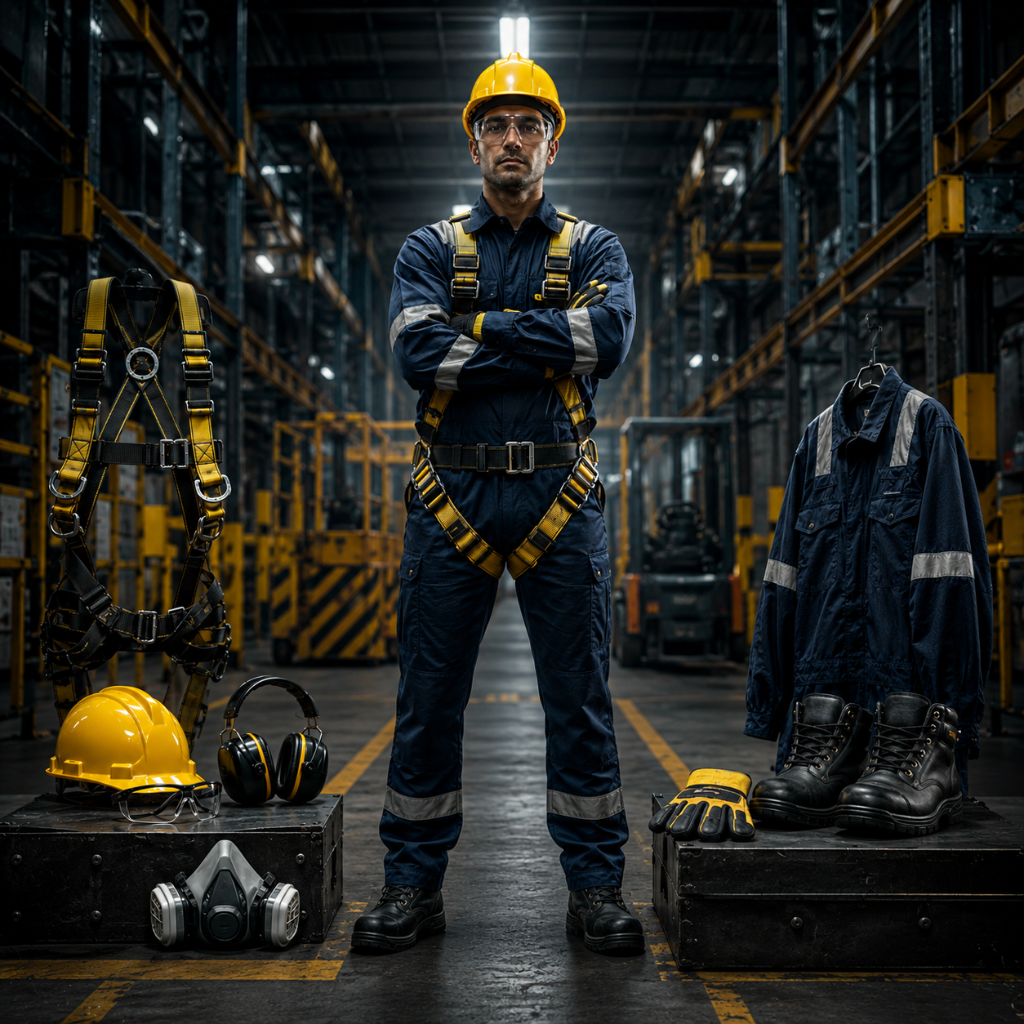
In every serious workplace, safety does not happen by accident.
It is planned. It is assessed. It is controlled. It is enforced.
Personal Protective Equipment, or PPE, is one of the most visible parts of workplace safety. Workers wear helmets, safety glasses, gloves, respirators, harnesses, safety shoes, coveralls, earmuffs, and face shields every day. But PPE should never be treated as a simple checklist item.
PPE is the last line of defense. That makes it critical.
When engineering controls, safe procedures, machine guards, ventilation, isolation, signage, and administrative controls are not enough to fully remove exposure, PPE becomes the worker’s direct barrier against harm.
But that barrier only works when the right PPE is selected, fitted, worn, maintained, and replaced correctly.
That is where smart PPE selection begins.
What Does “Last Line of Defense” Mean?
The phrase “last line of defense” does not mean PPE is less important. It means PPE protects the worker after other controls have been considered.
In a strong safety system, the first goal is to remove or reduce the hazard as much as possible. The safer sequence is:
- Remove the hazard when possible
- Replace the hazard with a safer option when possible
- Use engineering controls such as guards, barriers, ventilation, or isolation
- Apply administrative controls such as procedures, training, scheduling, and access control
- Use PPE to protect the worker from remaining exposure
PPE is essential because many worksites still involve hazards that cannot be fully removed. Construction, manufacturing, chemical handling, electrical work, welding, logistics, maintenance, laboratories, food processing, oil and fuel handling, and emergency response all require protection that fits the actual risk.
The problem starts when PPE is chosen casually.
A helmet is not just a helmet.
A glove is not just a glove.
A respirator is not just a mask.
A safety shoe is not just footwear.
Each item must match the hazard.
Why the Right PPE Matters
The wrong PPE creates false confidence.
A worker may look protected but still be exposed to impact, splash, dust, vapor, heat, noise, cuts, slips, electrical hazards, or fall risks. This is why PPE selection should never be based only on price, appearance, or availability.
The right PPE supports four things:
1. Protection
The PPE must be designed for the hazard. Safety eyewear for impact is different from chemical splash goggles. A dust mask is different from a reusable respirator with cartridges. General gloves are different from chemical gloves, cut-resistant gloves, heat-resistant gloves, or insulating electrical gloves.
2. Fit
PPE that does not fit properly may not protect properly. Loose eyewear, poorly sealed respirators, oversized gloves, uncomfortable earmuffs, and wrong-sized footwear can reduce protection and lower worker compliance.
3. Comfort
Comfort affects real-world use. Workers are more likely to wear PPE correctly when it is practical for the task, comfortable for the shift, and compatible with other required protection.
4. Consistency
PPE must be worn every time the hazard is present. One missed use can expose a worker to injury, chemical contact, respiratory exposure, hearing damage, or other serious risks.
PPE Selection Starts With the Hazard
Before choosing a product, the safety team should identify the actual hazard.
Ask these questions:
- What body part is exposed?
- What type of hazard is present?
- Is the hazard impact, splash, heat, chemical, dust, vapor, noise, electrical, slip, cut, or fall-related?
- How long is the worker exposed?
- Is the worker moving, climbing, bending, lifting, welding, grinding, handling chemicals, or working near machinery?
- Does the PPE need to work together with other PPE?
- Is there a required standard or certification for the task?
- Does the PPE fit the worker properly?
- Does the worker know how to inspect, wear, remove, clean, store, and replace it?
This process turns PPE from a product purchase into a safety decision.
That is the difference between buying equipment and building protection.
Common PPE Categories and Their Role
Nupon’s PPE range supports multiple industrial protection needs. Each category serves a specific role in protecting workers against identified hazards.
Head Protection
Head protection helps address hazards such as falling objects, bumps, scrapes, heat exposure, and worksite impact risks. Safety helmets, bump caps, face shield carriers, helmet sun shade brims, and welding head shields all serve different purposes.
A safety helmet should be selected based on the work environment, shell material, harness, adjustment system, comfort, and applicable standards. Bump caps are not a substitute for certified safety helmets in areas where head impact protection is required.
Eye and Face Protection
Eye and face hazards include flying particles, chemical splash, UV exposure, dust, heat, and welding glare. Safety eyewear, chemical goggles, welding goggles, browguards, and face shields must be selected according to the type of exposure.
Polycarbonate safety lenses, anti-fog features, impact resistance, splash protection, and compatibility with prescription glasses may all matter depending on the task.
Hearing Protection
High-noise environments require protection that matches the noise exposure. Earmuffs, helmet-mounted earmuffs, foldable earmuffs, reusable earplugs, disposable foam earplugs, and dispenser stations support different work patterns.
For long shifts, comfort and fit are critical. For workers who move in and out of noisy zones, foldable or easy-access hearing protection may improve consistent use.
Respiratory Protection
Respiratory hazards may include dust, particles, aerosols, gases, vapors, and fumes. Disposable respirators, reusable half masks, full facepiece respirators, filters, and cartridges must be selected based on the contaminant and exposure conditions.
Respiratory protection is highly specific. The facepiece, filter, cartridge, fit, seal, and replacement schedule all matter. A respirator should never be selected without understanding the airborne hazard.
Hand Protection
Hands are exposed to cuts, punctures, impact, heat, chemicals, oils, electrical hazards, and abrasion. No single glove protects against everything.
A proper glove selection process should consider material, coating, grip, length, lining, temperature rating, chemical resistance, cut resistance, electrical rating, and task movement.
Examples include nitrile chemical gloves, heat-resistant gloves, welding gloves, impact and cut-resistant gloves, stainless steel mesh gloves, and insulating electrical gloves.
Body Protection
Body protection helps address splash, flame, heat, arc flash, dust, oils, grease, diluted chemicals, welding sparks, and other workplace exposures.
Common options include fire-retardant coveralls, arc flash protective suits, disposable workwear, leather protective aprons, heat-resistant aprons, PVC aprons, sleeves, welding jackets, and welding leather foot guards.
The material must match the hazard. A disposable coverall for dust and light splash is not the same as flame-resistant or arc flash protective clothing.
Foot Protection
Foot hazards include falling objects, slips, oil, chemicals, puncture risks, static control needs, wet conditions, and electrical hazards.
Safety shoes, ESD shoes, anti-static shoes, industrial safety shoes, Wellington boots, and insulating boots serve different work environments. The correct choice depends on the floor condition, toe protection requirement, electrical exposure, chemical exposure, and slip risk.
Fall Protection
Working at height requires equipment that matches the task, anchor point, movement, rescue plan, and user fit. Full body harnesses, harness sets, lanyards, hooks, work positioning belts, tripods, and fall protection kits all have specific roles.
Fall protection should always be supported by training, inspection, proper anchorage, and a rescue plan. A harness alone is not a complete fall protection system.
Emergency Eyewash and Shower
Chemical splash and corrosive exposure require immediate emergency response planning. Eyewash stations, wall-mounted units, pedestal units, portable gravity-feed eyewash, drench showers, and combination shower and eyewash systems help provide quick flushing support when needed.
These systems must be located, maintained, and inspected according to the site’s safety requirements.
Spill Control and Safety Storage
Spill control is part of workplace readiness. Universal spill kits, oil-only spill kits, chemical-only spill kits, sorbent pads, socks, pillows, drum spill pallets, IBC containment pallets, spill berms, and safety storage cabinets help facilities prepare for leaks, drips, and spill response.
Color-coded safety storage cabinets also help organize hazardous material storage by type, such as flammable liquids, corrosives and acids, paint and ink, and toxic chemicals.
The Biggest PPE Mistakes to Avoid
Even good PPE can fail when used incorrectly. Below are common mistakes that weaken protection.
Mistake 1: Choosing PPE Without a Hazard Assessment
Buying PPE before identifying hazards can lead to mismatched protection. The right process starts with the workplace, not the catalog.
Mistake 2: Using One Product for Every Task
Different tasks require different protection. A glove for handling hot materials may not be suitable for chemical handling. Safety eyewear for impact may not provide splash protection.
Mistake 3: Ignoring Fit and Comfort
PPE that does not fit is more likely to be adjusted incorrectly, removed, or avoided. Fit should be part of procurement.
Mistake 4: Forgetting Compatibility
PPE often works in combinations. Safety glasses must fit with earmuffs. Respirators must seal properly with other face and head protection. Harnesses must work with the worker’s clothing and movement.
Mistake 5: Not Training Workers
Workers need to know when PPE is required, what PPE is required, how to wear it, what its limitations are, and how to maintain it.
Mistake 6: Keeping Damaged PPE in Use
Cracked helmets, scratched lenses, damaged gloves, worn straps, dirty respirator parts, damaged harness webbing, and compromised footwear should not remain in use.
Mistake 7: Treating PPE as a One-Time Purchase
PPE is an ongoing safety system. It requires replacement, inspection, storage, inventory control, worker feedback, and periodic review.
A Practical PPE Selection Checklist
Use this checklist before approving PPE for site use:
- Identify the hazard
- Identify the exposed body part
- Confirm the task and work environment
- Check if higher-level controls can reduce the hazard first
- Select PPE designed for the hazard
- Check required standards or certifications
- Confirm size, fit, and comfort
- Confirm compatibility with other PPE
- Train workers before use
- Inspect PPE before and after use
- Replace damaged or worn-out PPE
- Store PPE correctly
- Review performance based on worker feedback and incident reports
This checklist helps prevent random PPE selection and supports stronger safety discipline.
Why Procurement Teams Should Work Closely With Safety Teams
PPE procurement is not just a purchasing function. It directly affects worker protection, compliance discipline, and daily site performance.
Safety teams understand the hazards. Procurement teams manage availability, supplier coordination, cost control, and repeat orders. When both teams work together, the company can avoid under-specification, overstocking the wrong items, and inconsistent PPE use across departments.
A strong PPE buying process should include:
- Product specifications
- Required standard or certification
- Approved models
- Size range
- Packaging quantity
- Replacement schedule
- Storage method
- Worker feedback
- Emergency stock levels
- Supplier reliability
This is how PPE purchasing becomes a safety advantage.
Nupon’s Role in Workplace Protection
Nupon Technology Phils. Corp. provides a wide range of PPE and safety products for demanding work environments. The product range includes head protection, eye protection, hearing protection, respiratory protection, hand protection, body protection, foot protection, fall protection, emergency eyewash and shower systems, spill control, safety storage cabinets, and other safety products.
This range allows safety teams and procurement officers to organize protection by hazard, by department, and by worksite requirement.
The goal is simple: help workplaces choose protection with confidence, not guesswork.
PPE Must Be Correct, Consistent, and Controlled
PPE is the last line of defense.
That means it must be selected with discipline.
The right PPE can support safer work, stronger compliance, better worker confidence, and a more professional safety culture. But it only works when it matches the hazard, fits the worker, supports the task, and is used correctly every time.
Do not let PPE become a symbol.
Make it a system.
Choose protection that is practical, task-ready, and built for real industrial work.
Frequently Asked Questions
PPE is called the last line of defense because it protects the worker when hazards cannot be fully removed or controlled by safer methods. Before PPE is used, the workplace should first consider hazard elimination, substitution, engineering controls, and administrative controls. PPE becomes the final barrier between the worker and the remaining risk.
The right PPE starts with a proper hazard assessment. Identify the type of hazard, the exposed body part, the work activity, the duration of exposure, and the required level of protection. PPE should match the actual risk, not just the job title or department.
No. Different hazards require different PPE. Safety glasses may help protect against impact, but chemical splash may require goggles or face protection. General gloves may not protect against chemicals, heat, cuts, or electrical hazards. Each PPE item must be selected based on the specific hazard.
Proper fit helps PPE perform as intended. Loose safety eyewear, poorly sealed respirators, oversized gloves, uncomfortable earmuffs, or wrong-sized safety shoes can reduce protection and affect worker compliance. PPE should be comfortable, secure, and suitable for the user’s movement and task.
PPE should be replaced when it is damaged, worn out, contaminated, expired, or no longer fits properly. Examples include cracked helmets, scratched lenses, torn gloves, damaged harness webbing, worn safety shoes, dirty respirator parts, or weakened straps. Regular inspection helps prevent unsafe PPE from staying in use.
Chemical handling may require chemical-resistant gloves, chemical goggles, face protection, protective clothing, proper footwear, and respiratory protection depending on the chemical and exposure risk. Spill kits, eyewash stations, and safety storage cabinets may also be needed for emergency readiness and safer material handling.
No. Respiratory protection varies by design, filter type, cartridge type, and intended use. Disposable respirators, half mask respirators, full facepiece respirators, particulate filters, and gas or vapor cartridges are used for different hazards. Respiratory protection should be selected based on the actual airborne contaminant and work condition.
Nupon Technology Phils. Corp. offers a wide range of PPE and safety products for head, eye, hearing, respiratory, hand, body, foot, fall protection, emergency eyewash, spill control, safety cabinets, and other industrial safety needs. This allows safety teams and procurement officers to organize PPE by hazard, work area, and site requirement.
Related Blogs
5 Life-Saving Reasons Your Facility Needs a Portable Eyewash Station
A portable eyewash station is a self-contained, gravity-fed or bottle-type unit that delivers immediate eye flushing when a plumbed eyewash isn’t accessible. DOLE’s Occupational Safety and
Why Most Chemical Storage Setups Fail Their Fire Safety Inspection
Last updated: July 2026 An inspector doesn’t ask whether your sulfuric acid is dangerous. He asks where it’s stored — and if the answer is
What Happens During a DOLE Inspection in 2026?
During a DOLE inspection in the Philippines, inspectors verify PPE availability and correct use, safety signage, the OSH program document, emergency preparedness, accident reporting records,